How to Network Effectively for Job Opportunities
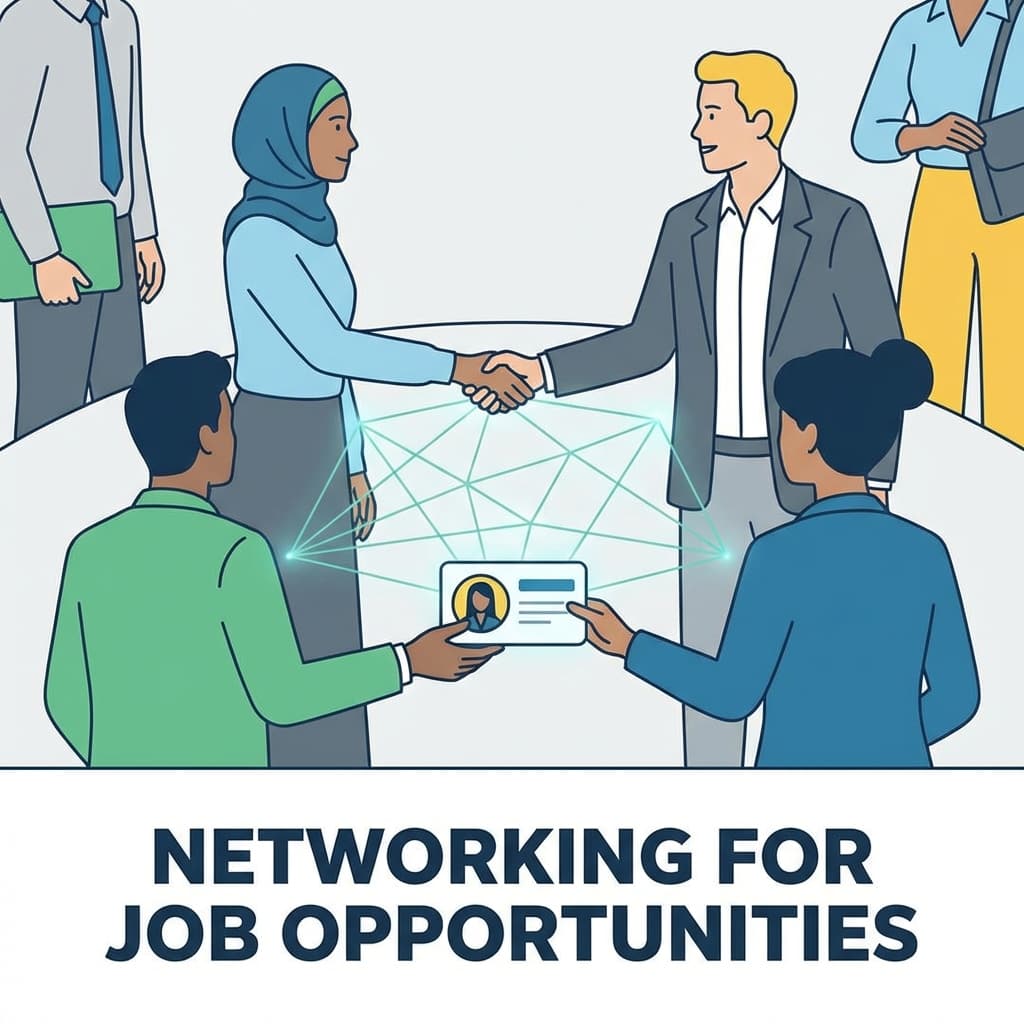
"It's not what you know, it's who you know." This cliché exists because it's true. Studies consistently show that 70-85% of jobs are filled through networking, not job boards. Yet most people approach networking wrong—treating it as transactional, awkward, or something to avoid. This comprehensive guide will teach you how to network authentically, build genuine professional relationships, and unlock opportunities that never get posted online.
The Networking Mindset Shift
Effective networking isn't about collecting business cards or asking strangers for jobs. It's about building mutually beneficial relationships, providing value to others, and creating a professional community that supports your career long-term. When you help others succeed, they naturally want to help you.
The Foundation: Building Your Network Before You Need It
The biggest networking mistake is only reaching out when you need something. Start building relationships now, even if you're happily employed:
Network-Building Habits (Do These Regularly):
- →Connect with 2-3 new people weekly: Colleagues, industry peers, alumni, or people you meet at events
- →Engage with your network's content: Comment thoughtfully on LinkedIn posts, congratulate achievements, share relevant articles
- →Offer help without expecting return: Make introductions, share job leads, provide advice when asked
- →Stay in touch: Send occasional check-ins, share interesting articles, or grab coffee quarterly with key contacts
- →Attend industry events: Conferences, meetups, webinars, or professional association gatherings
LinkedIn Networking Strategies
LinkedIn is the most powerful professional networking tool available. Here's how to use it strategically:
1. Optimize Your Profile for Networking
✓ Professional Photo
Profiles with photos get 21x more profile views and 9x more connection requests. Use a high-quality, friendly headshot.
✓ Compelling Headline
Go beyond job title. Example: "Product Manager | Helping SaaS Companies Scale | Passionate About User Experience"
✓ Detailed About Section
Tell your professional story. Include your expertise, passions, and what you're looking for. Make it easy for people to understand how they can help you.
✓ Recommendations
Request recommendations from managers, colleagues, and clients. Offer to write one for them first—reciprocity works.
2. Strategic Connection Requests
Don't send generic connection requests. Personalize every message:
Connection Request Templates:
For Someone You Met:
"Hi [Name], it was great meeting you at [Event] yesterday. I really enjoyed our conversation about [topic]. I'd love to stay connected and continue the discussion. Looking forward to keeping in touch!"
For Someone in Your Target Company:
"Hi [Name], I came across your profile while researching [Company]. I'm impressed by your work in [specific area]. I'm exploring opportunities in [field] and would value connecting with professionals at [Company]. Hope you're open to connecting!"
For Alumni:
"Hi [Name], fellow [University] alum here! I noticed we both studied [major/program]. I'm currently working in [field] and always enjoy connecting with fellow [mascot name]. Would love to add you to my network!"
3. Engage Authentically on LinkedIn
Visibility matters. The more you engage, the more people remember you when opportunities arise:
- ✓Comment thoughtfully: Add value to discussions. Share insights, ask questions, or offer different perspectives.
- ✓Share valuable content: Post 2-3 times per week about industry trends, lessons learned, or professional experiences.
- ✓Congratulate achievements: When connections get promoted, change jobs, or celebrate milestones, acknowledge them.
- ✓Join relevant groups: Participate in industry-specific LinkedIn groups where your target employers and peers gather.
The Informational Interview: Your Secret Weapon
Informational interviews are one of the most effective networking tactics, yet few people use them. The concept is simple: ask for advice, not a job.
Why Informational Interviews Work
- People love giving advice: 80% of professionals will agree to a 15-20 minute call
- Low pressure: You're not asking for a job, so they're more relaxed and helpful
- Insider information: Learn about company culture, hiring processes, and unadvertised opportunities
- Relationship building: You're now on their radar when positions open up
- Referrals: They often introduce you to other helpful contacts
How to Request an Informational Interview
Email Template:
Subject: Seeking Career Advice from [Company] Professional
Hi [Name],
I came across your profile while researching [Company/Industry] and was impressed by your background in [specific area]. I'm currently exploring opportunities in [field] and would greatly value your insights.
Would you be open to a brief 15-20 minute call? I'd love to learn about your career path, get your perspective on [specific topic], and hear any advice you might have for someone looking to break into [area].
I understand you're busy, so I'm happy to work around your schedule. Even 15 minutes would be incredibly helpful.
Thank you for considering!
Best,
[Your Name]
[Your LinkedIn Profile]
Questions to Ask During Informational Interviews
Career Path Questions:
- How did you get into this field?
- What does a typical day look like?
- What skills are most important for success?
- What do you wish you'd known earlier in your career?
Company/Industry Questions:
- What do you enjoy most about working at [Company]?
- What are the biggest challenges in this industry?
- How is the company culture?
- What trends are shaping the industry?
Pro Tip: End with "Is there anyone else you'd recommend I speak with?" This expands your network exponentially.
Networking Events: How to Work the Room
In-person networking events can be intimidating, but they're incredibly valuable when done right:
Before the Event
- Research attendees: Check the attendee list and identify people you want to meet
- Prepare your elevator pitch: 30-second introduction of who you are and what you do
- Set a goal: "I'll have meaningful conversations with 5 new people" (quality over quantity)
- Bring business cards: Or have a digital card ready (LinkedIn QR code)
During the Event
Networking Event Tactics:
- →Arrive early: Easier to start conversations when the room isn't crowded
- →Approach groups of 3+: Easier to join than interrupting a one-on-one conversation
- →Ask open-ended questions: "What brings you here?" or "What are you working on these days?"
- →Listen more than you talk: Show genuine interest in others
- →Gracefully exit conversations: "It was great talking with you. I'm going to grab a drink/meet a few more people. Let's connect on LinkedIn!"
After the Event (Most Important!)
The fortune is in the follow-up. Within 24-48 hours:
- Connect on LinkedIn with personalized message referencing your conversation
- Send a brief email thanking them for their time and insights
- If you promised to share something (article, contact, resource), do it promptly
- Add them to your CRM or contact management system with notes about your conversation
Leveraging Alumni Networks
Your university alumni network is one of your most valuable networking resources:
How to Activate Your Alumni Network:
- Join your alumni association: Attend events, join online groups, participate in mentorship programs
- Use LinkedIn alumni tool: Search for alumni at target companies or in your industry
- Reach out with shared connection: "Fellow [School] alum" is a powerful icebreaker
- Attend homecoming/reunions: Great for reconnecting and expanding your network
- Give back: Mentor current students or recent grads—they'll remember you when they're hiring managers
Common Networking Mistakes to Avoid
❌ Only Networking When You Need a Job
Build relationships continuously, not just when desperate. People can sense when you're only reaching out for personal gain.
❌ Asking for a Job Immediately
Build the relationship first. Ask for advice, not employment. Jobs come from relationships, not cold asks.
❌ Not Following Up
Meeting someone once and never following up wastes the opportunity. Relationships require nurturing.
❌ Making It All About You
Ask questions, listen actively, and look for ways to help others. Networking is about mutual benefit.
❌ Collecting Contacts Without Building Relationships
1,000 LinkedIn connections mean nothing if you've never had a real conversation with them.
Giving Back: The Ultimate Networking Strategy
The most successful networkers are generous with their time, knowledge, and connections:
- ✓Make introductions: Connect people who can help each other
- ✓Share job leads: Even if you're not interested, pass opportunities to your network
- ✓Offer expertise: Answer questions, review resumes, provide feedback
- ✓Mentor others: Help people earlier in their careers
- ✓Share valuable content: Curate and share articles, resources, or insights
The Law of Reciprocity: When you help others succeed, they naturally want to help you. Give generously without expecting immediate return, and opportunities will come.
Network with a Strong Resume
When your network connects you with opportunities, you need a resume ready to impress. Banana Resume helps you create professional, polished resumes that make your network proud to recommend you.
Build Your Professional ResumeConclusion
Effective networking is about building authentic, mutually beneficial relationships over time. It's not about collecting business cards or asking strangers for jobs—it's about creating a professional community that supports your career growth while you support theirs.
Start today: reach out to one person, attend one event, or schedule one informational interview. Consistency compounds. The network you build today will open doors for years to come.
Remember: people hire people they know, like, and trust. When you invest in relationships, you're investing in your career's most valuable asset—your professional network.